
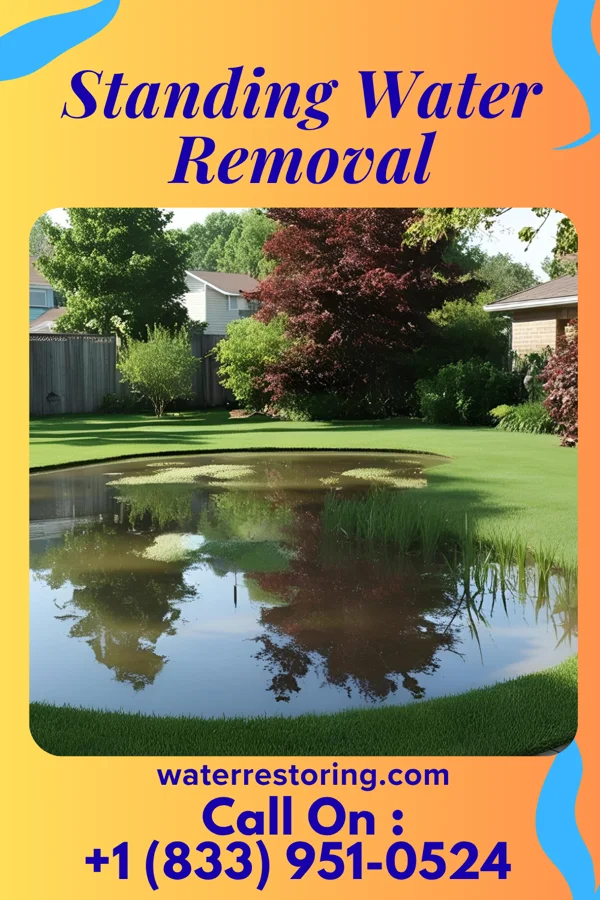
Why Toxey Standing Water Demands Fast Removal
Most water damage emergencies in Toxey start with In Toxey, Alabama, the primary water damage cause is often due to heavy rainfall and flooding from nearby rivers, particularly during the spring and summer months. Additionally, outdated plumbing systems in older homes contribute to leaks and water infiltration, especially in rural areas with limited access to modern infrastructure.. A close second is Secondary causes include sewer backups from aging municipal systems, accidental water spills from farm equipment, and groundwater seepage into basements of homes built on low-lying land. These issues are more common in the rural neighborhoods of Toxey due to less frequent maintenance and drainage challenges.. From the second water touches the property, every minute changes what gets saved and what gets ripped out.
Toxey experiences a humid subtropical climate with frequent thunderstorms and heavy downpours, increasing the risk of sudden water intrusion. The region is also prone to flash flooding, particularly after prolonged rainfall, which can lead to significant water damage in residential and agricultural properties.
Most standing water removal calls in Toxey come from In Toxey, Alabama, the primary water damage cause is often due to heavy rainfall and flooding from nearby rivers, particularly during the spring and summer months. Additionally, outdated plumbing systems in older homes contribute to leaks and water infiltration, especially in rural areas with limited access to modern infrastructure.. Running a close second is Secondary causes include sewer backups from aging municipal systems, accidental water spills from farm equipment, and groundwater seepage into basements of homes built on low-lying land. These issues are more common in the rural neighborhoods of Toxey due to less frequent maintenance and drainage challenges.. Local mold risk: Mold growth can occur rapidly in Toxey's humid climate, especially in homes with poor ventilation or standing water. Prompt water extraction and drying are critical to prevent mold spread, which can compromise indoor air quality and structural integrity in rural homes.